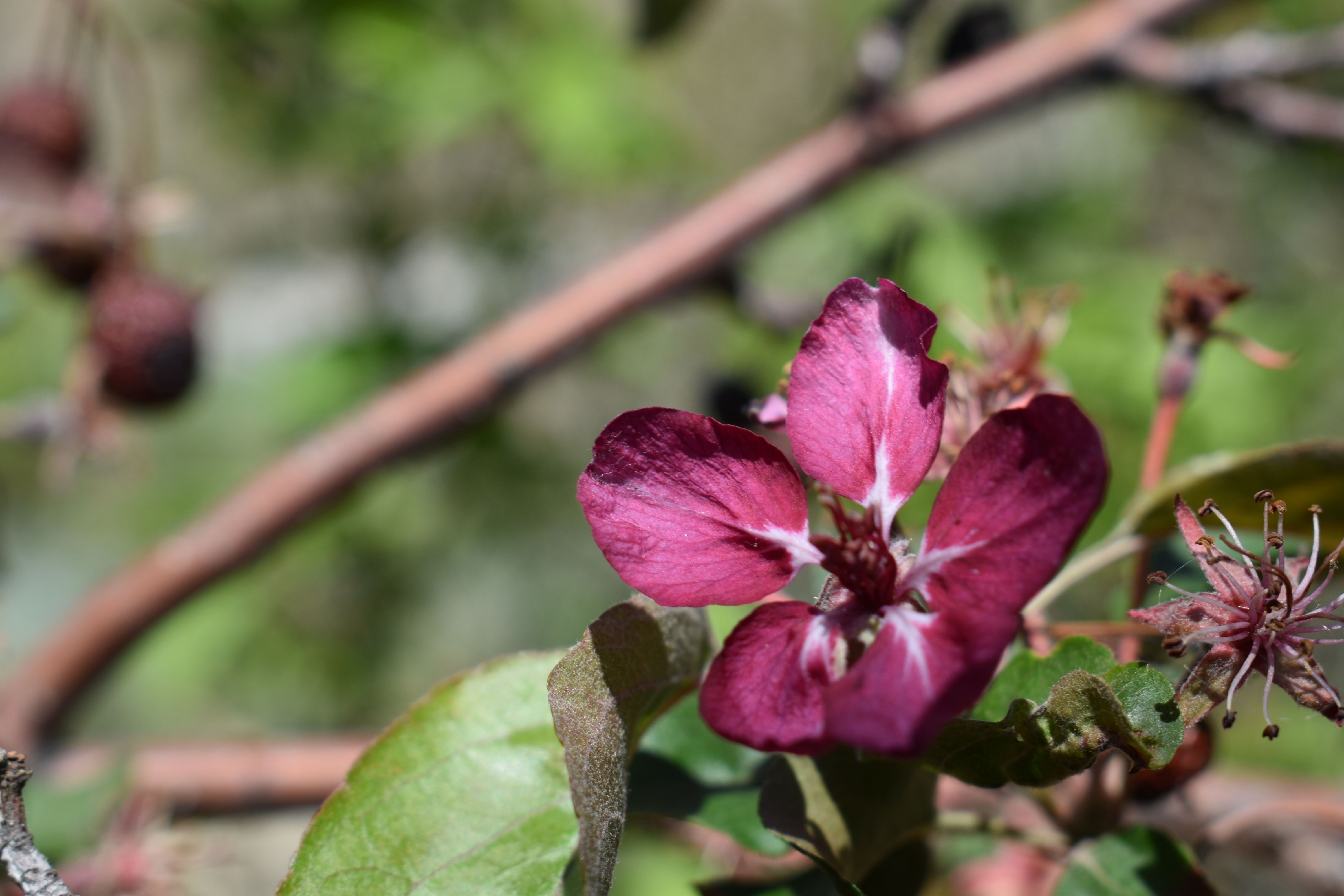
Adams Crabapple
Malus 'Adams'
Plant Details:
Plant Type: Deciduous Tree
Plant Family: Rosaceae
Plant Description: Small deciduous flowering tree. Pink flowers bloom in April followed by small glossy-red crabapples that persist into winter. Reddish tinted leaves emerge in spring, turn green in summer and end orange-red in the fall. This variety shows good disease resistance.
Maintenance:
Maintenance Type: Tree - Deciduous
Plant Care: Tree - Deciduous (single-stemmed woody plants that lose their leaves every winter): Prune regularly to promote health, provide air circulation, maintain a desirable shape, and to remove dead or damaged branches. Pruning is best done in late winter to early spring for most trees. With spring blooming trees, prune after the blooms are spent. Choose species that are resistant to pest damage. Monitor the tree for pests, diseases or other ailments on a regular basis. Protect the trunk especially where maintenance activities, such as mowing, may cause damage. Newly planted trees in areas with high exposure should have the trunk protected during the winter.
Plant Attributes:
Mature Size: 15-20' tall and wide
Utah Native: No
Nativar: No
Plant Select: Unknown
Pollinator Favorite: Yes
Localscapes: Tree, Perimeter Plant
Evergreen: No
Foliage Interest: No
Foliage Colors: Green
Bloom Colors: Pink
Bloom Seasons: Spring
Bloom Period: Apr - May
Erosion Control: No
Ground Cover: No
Edible: Yes
Fire Wise: Yes
Growing Conditions:
Hardiness Zone: 4 to 9
Light Requirement: Full Sun (6+ hrs sun)
Irrigation Requirement:  Moderate (1/2" every 7-10 days)
Salt Tolerant: Yes
Deer Tolerant: No
Garden Location:
-
Design Path
- Scene or Unseen
-
Maintenance Path
- Rain Gardening
Garden Staff Tips & Insights:
Edibility notes: Crabapples are edible, though often very bitter and unpalatable. Harvesting after the first few frosts may reduce astringency. Cooking into jams, jellies, syrups, and ciders, may also reduce bitterness. They are very high in pectin and can be used to thicken jams and jellies. Seeds should not be consumed in large quantities. Blossoms are also edible and can be used raw in salads or garnishes or cooked into teas, syrups, or jellies.
-
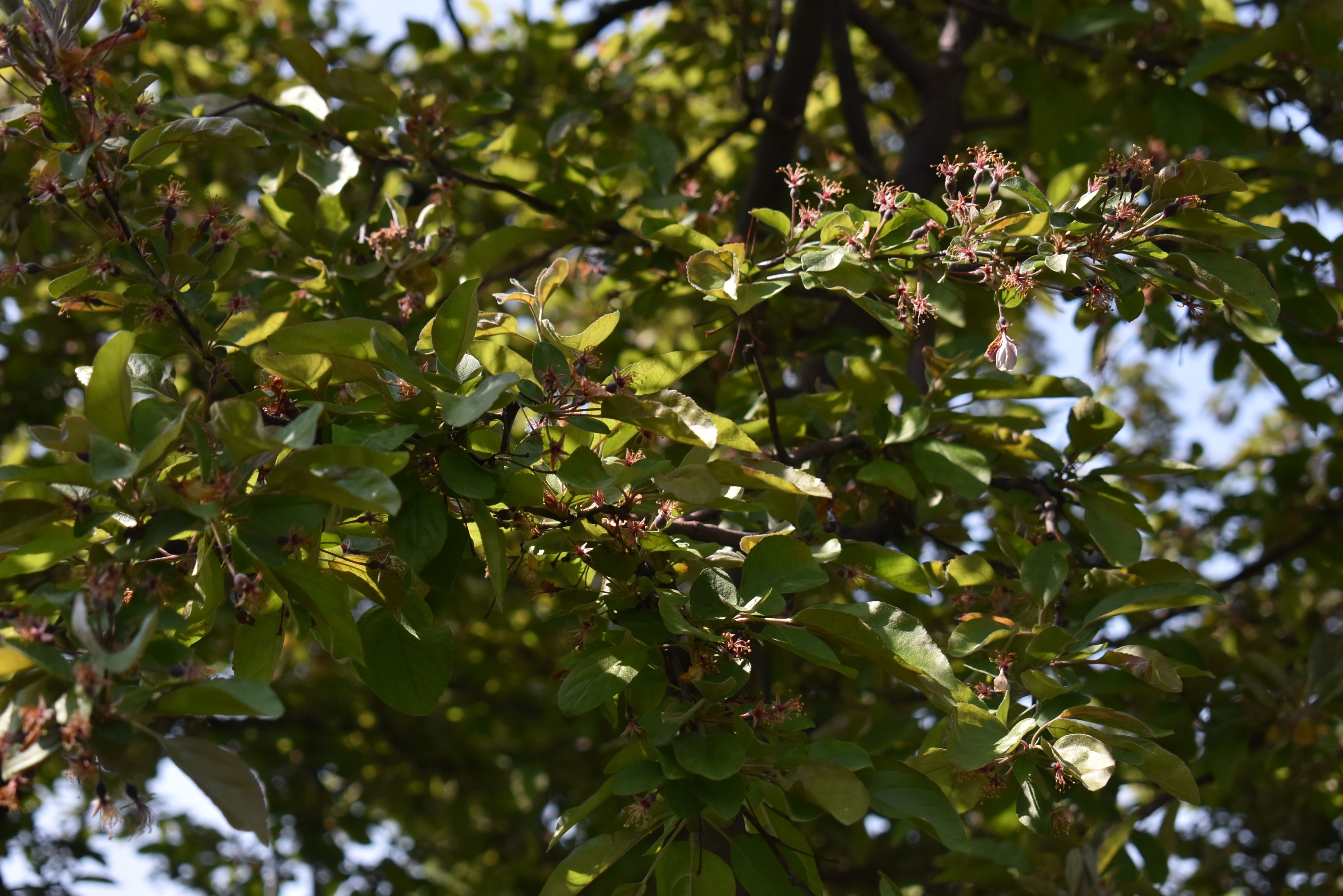 Spring
-
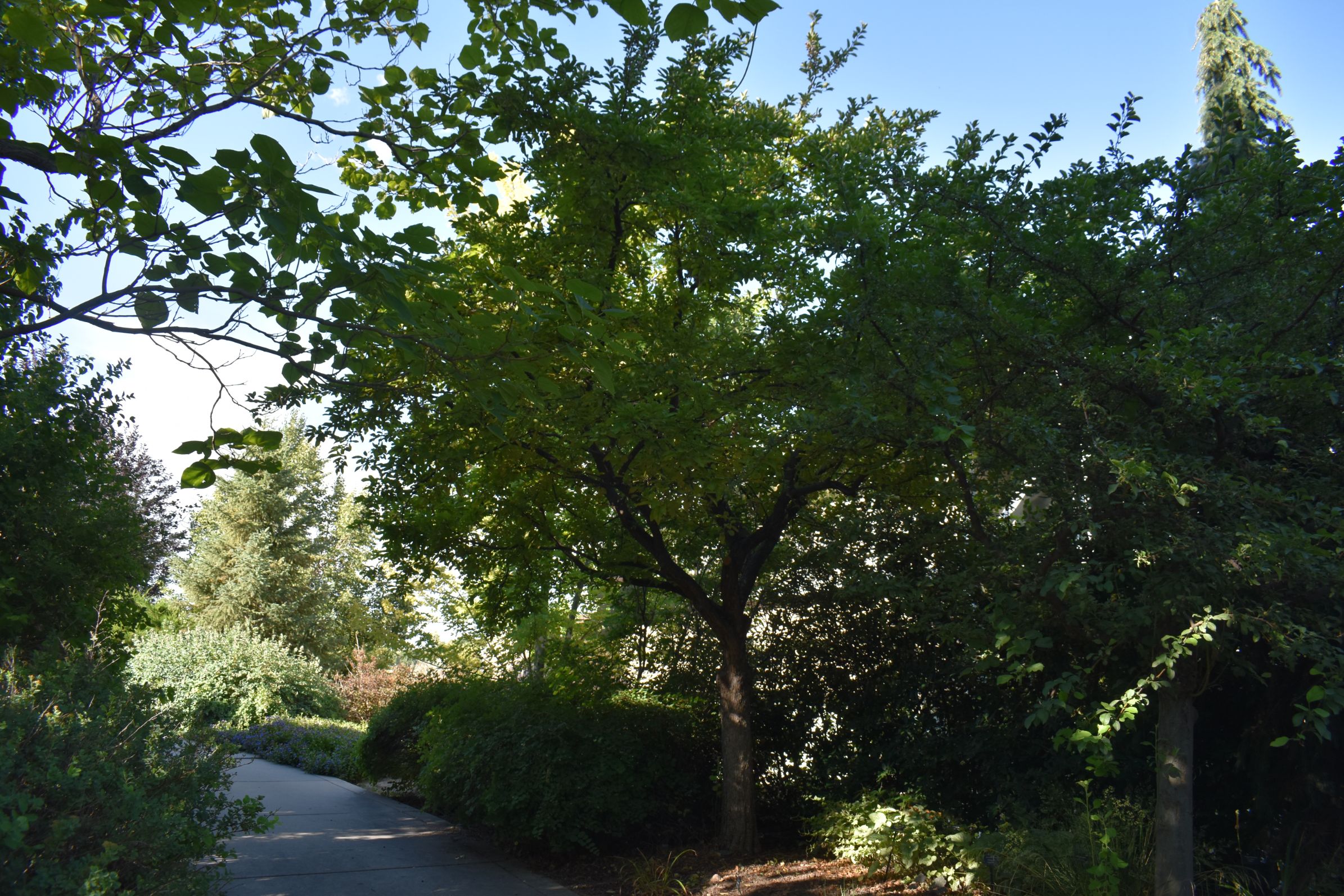 Summer
-
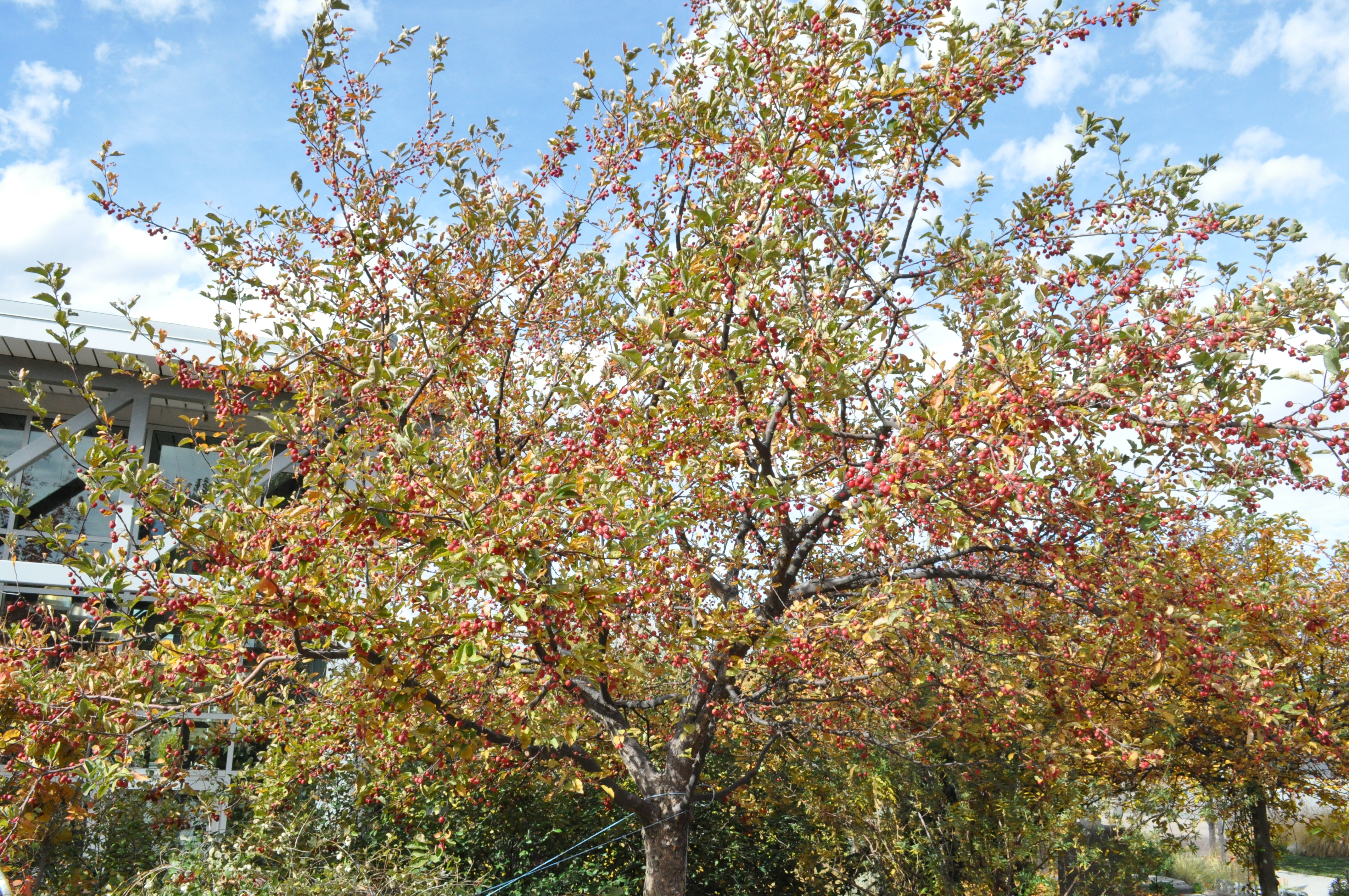 Fall
-
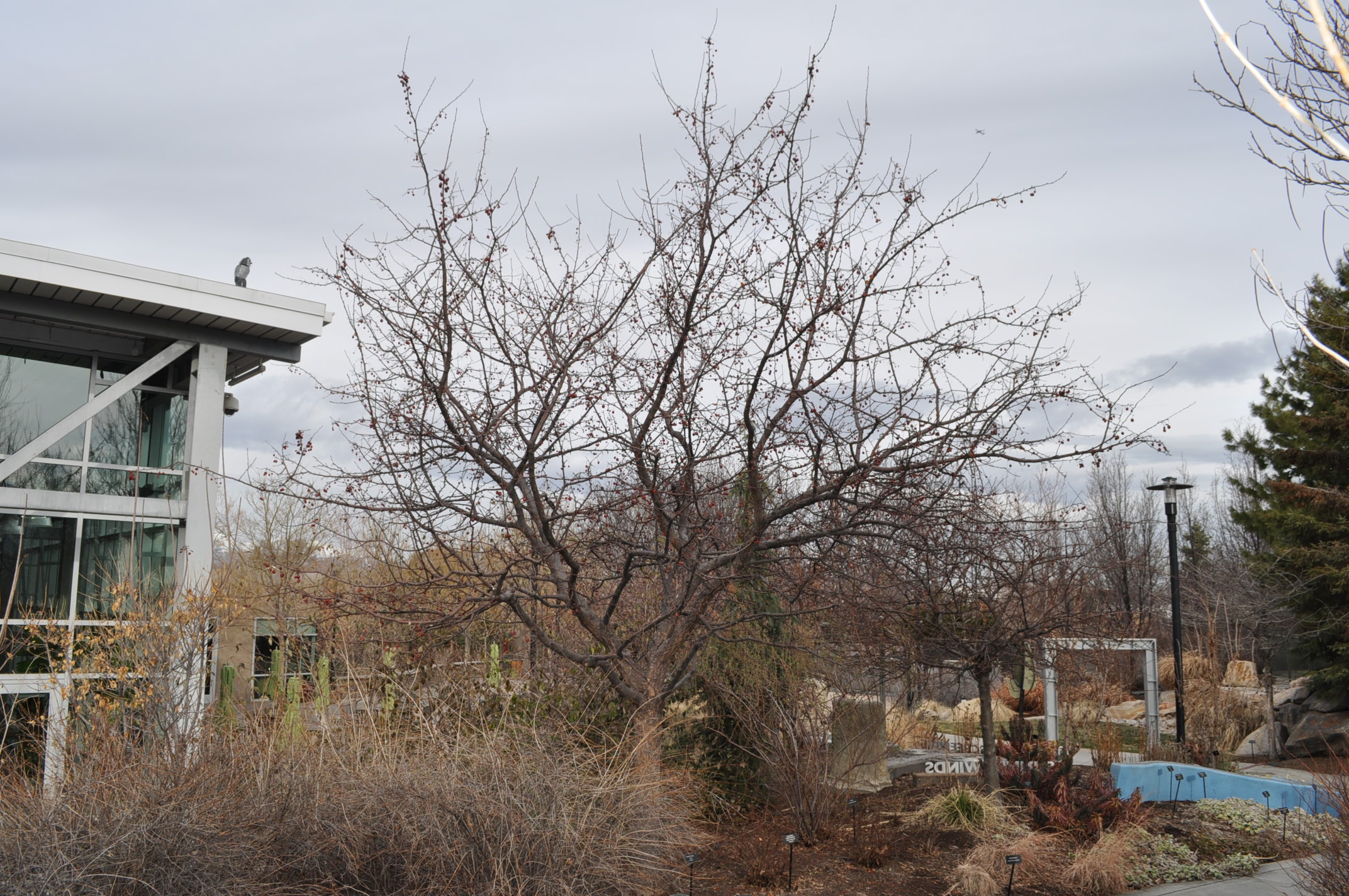 Winter