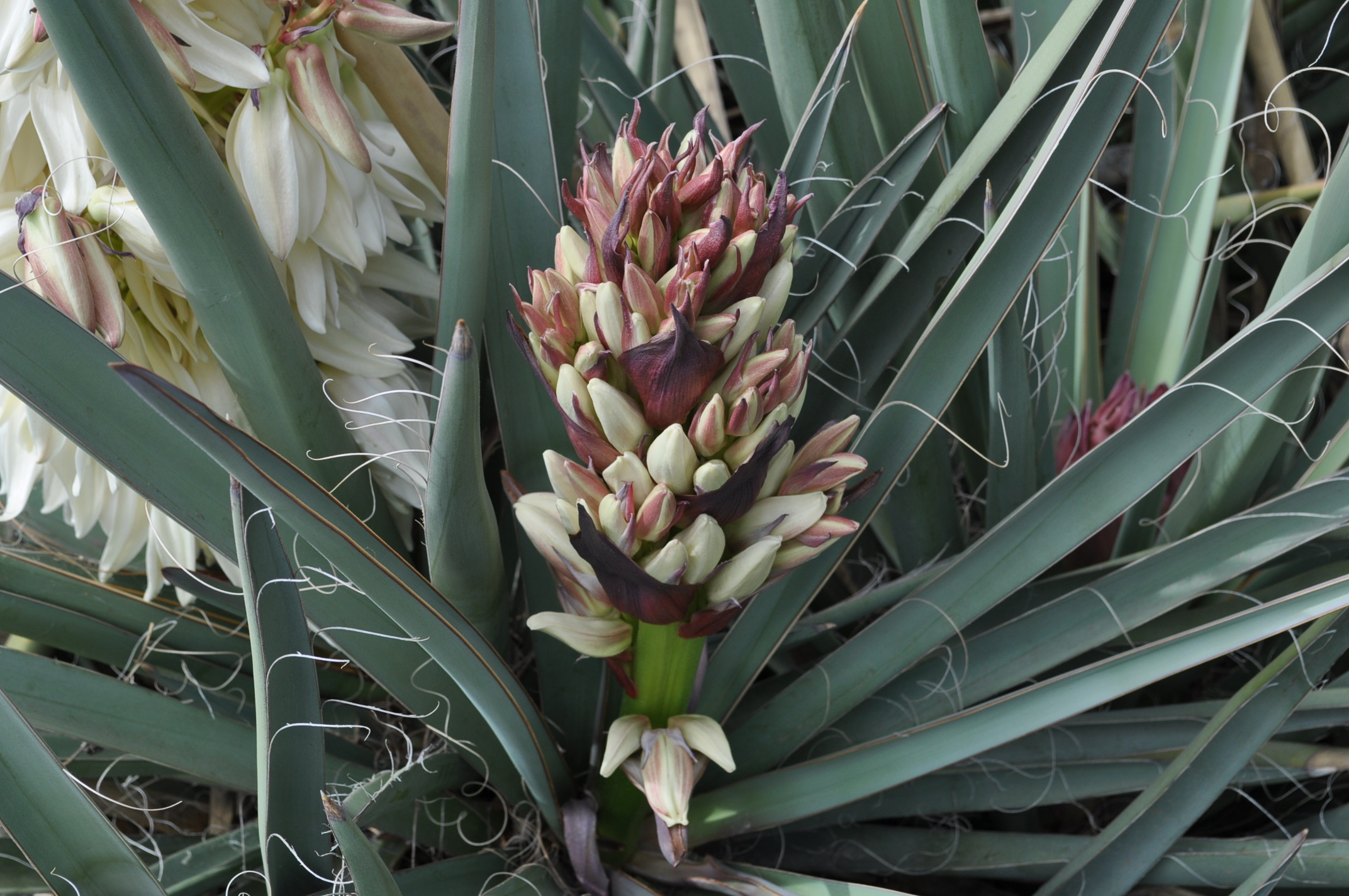
Banana Yucca
Yucca baccata
Plant Details:
Plant Type: Cactus or Succulent
Plant Family: Asparagaceae
Plant Description: Rosette-forming evergreen shrub. Long lance-shaped gray to blue-green leaves grow from the woody base. Leaf tips are quite stiff and form a sharp spine. Creamy white pendant flowers grow on tall stalks above the plant in spring. With two or more plants the flowers will grow an edible banana-shaped fruit that was used as a food source by native Americans. Requires little or no water once established. This and other species of yucca have unique, interdependent relationships with Yucca Moths, each with its corresponding partner (Tegeticula or Parategeticula spp.).
Maintenance:
Maintenance Type: Succulent
Plant Care: Succulent (perennials with fleshy leaves and no spines): Remove dead leaves and stems. Succulents with stems that die back in the fall may be left for winter interest or removed once dried. Trim as necessary to retain a desirable shape.
Plant Attributes:
Mature Size: 4' tall and wide
Utah Native: Yes
Nativar: No
Plant Select: Unknown
Pollinator Favorite: Yes
Localscapes: Foundation Plant, Perimeter Plant
Evergreen: Yes
Foliage Interest: No
Foliage Colors: Blue-Green, Green, Silver-Green
Bloom Colors: Purple, Red, White
Bloom Seasons: Late Spring
Bloom Period: May - Jun
Erosion Control: Unknown
Ground Cover: No
Edible: Yes
Fire Wise: Yes
Growing Conditions:
Hardiness Zone: 5 to 12
Light Requirement: Full Sun (6+ hrs sun), Part Shade (4-6 hrs morning sun), Part Sun (4-6 hrs afternoon sun)
Irrigation Requirement:  Very Low (Water to Establish)
Salt Tolerant: Yes
Deer Tolerant: Yes
Garden Location:
-
Neighborhood Landscapes
- A Desert with Altitude
-
Planting Path
- Nursery Shopping
Garden Staff Tips & Insights:
Edibility: Stems, leaf bases, flowers, emerging stalks and fruits of most types of yucca are edible. However, it is recommended to eat yucca only after cooking because some parts of the plant, especially the sap, are mildly toxic to humans. Red yucca should not be consumed because it is not edible and considered poisonous.
-
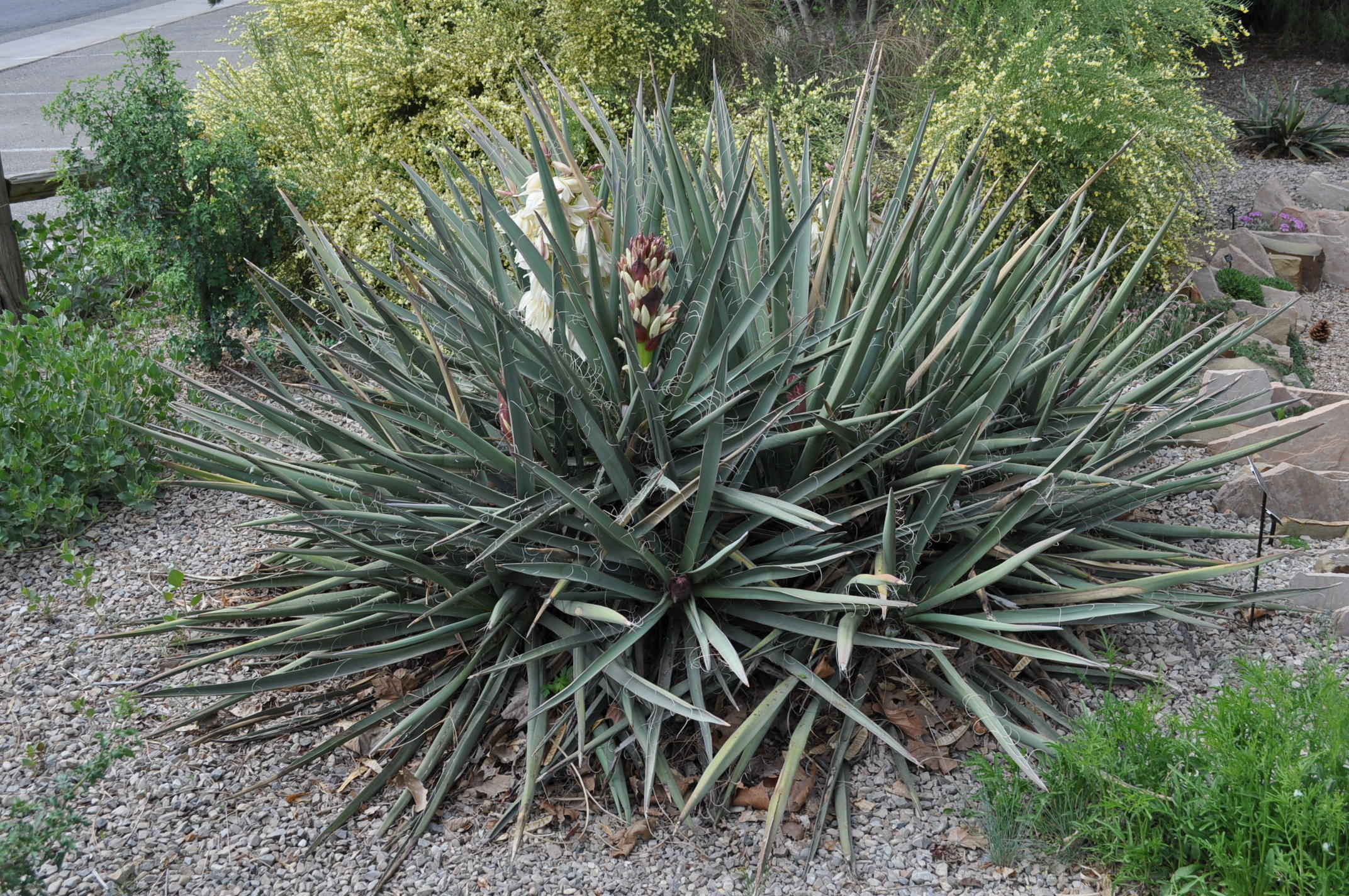 Spring
-
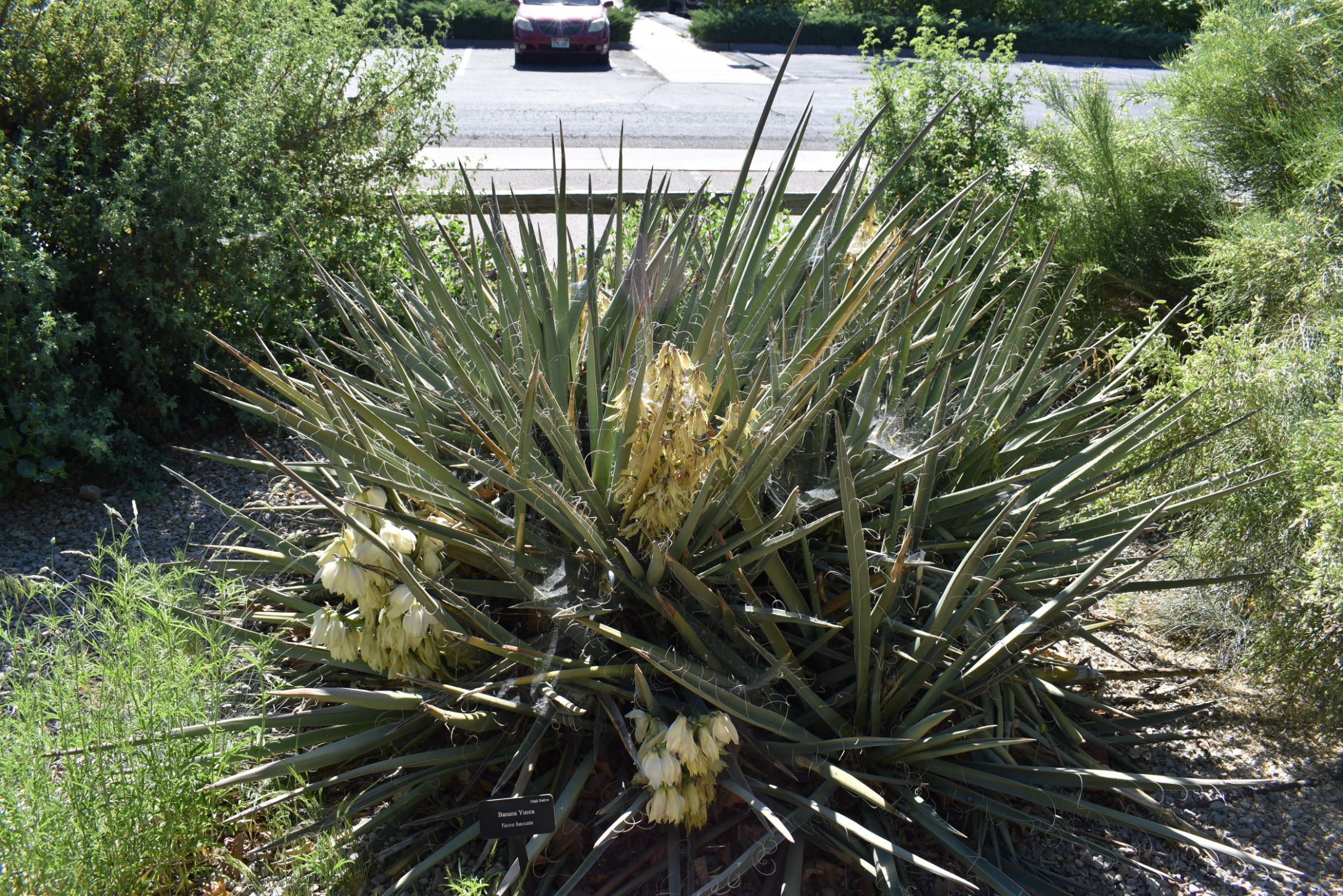 Summer
-
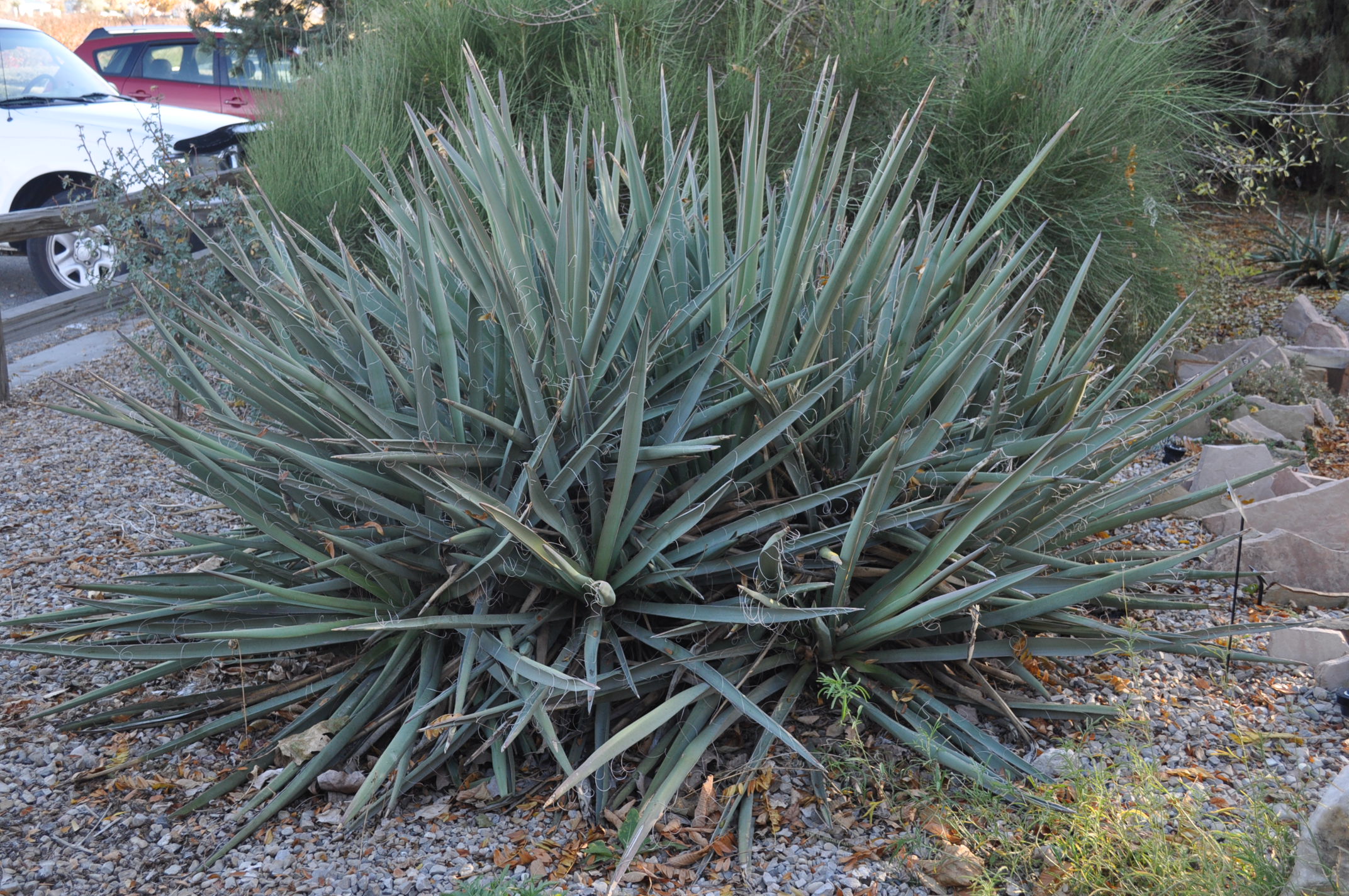 Fall
-
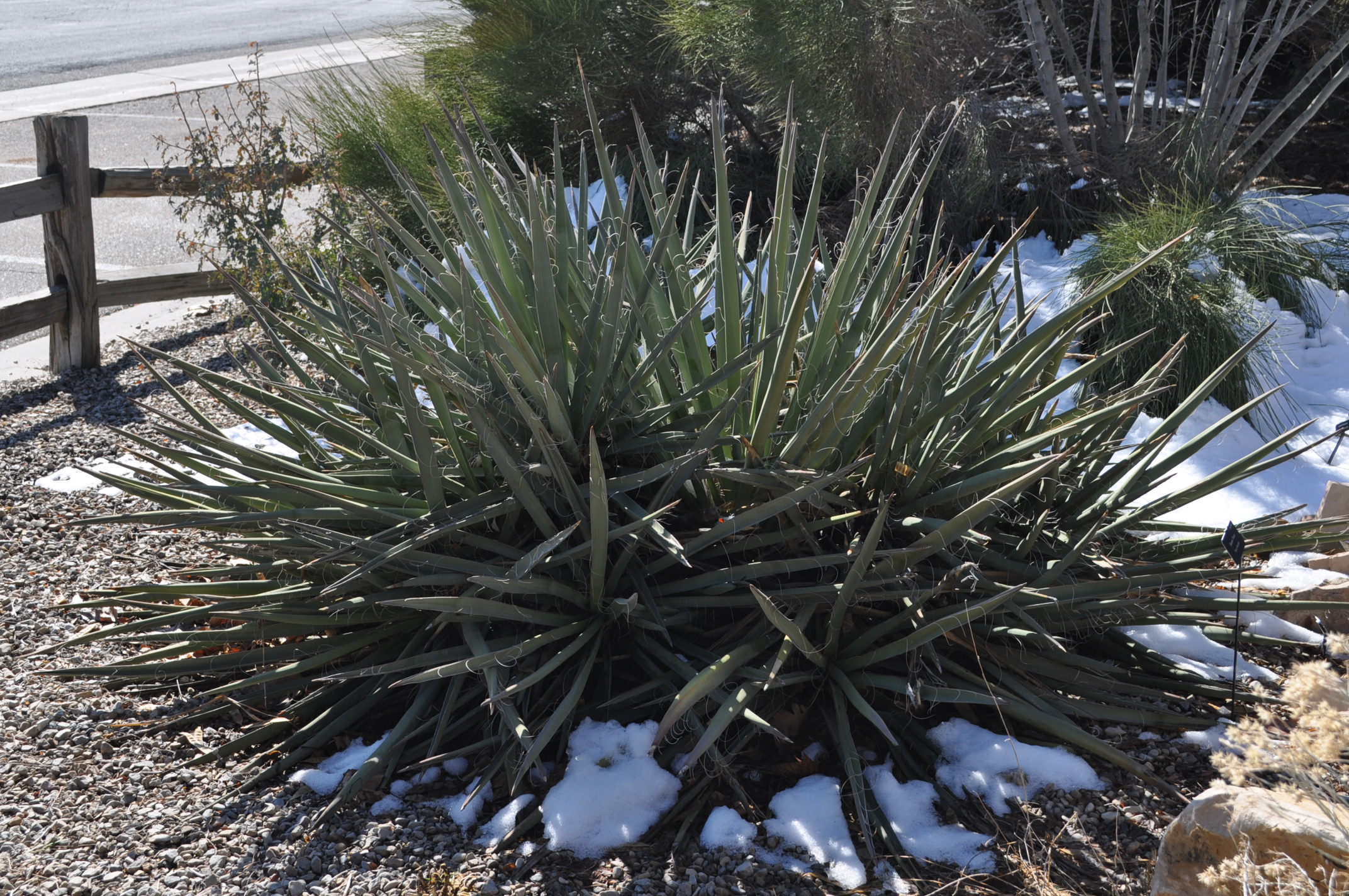 Winter