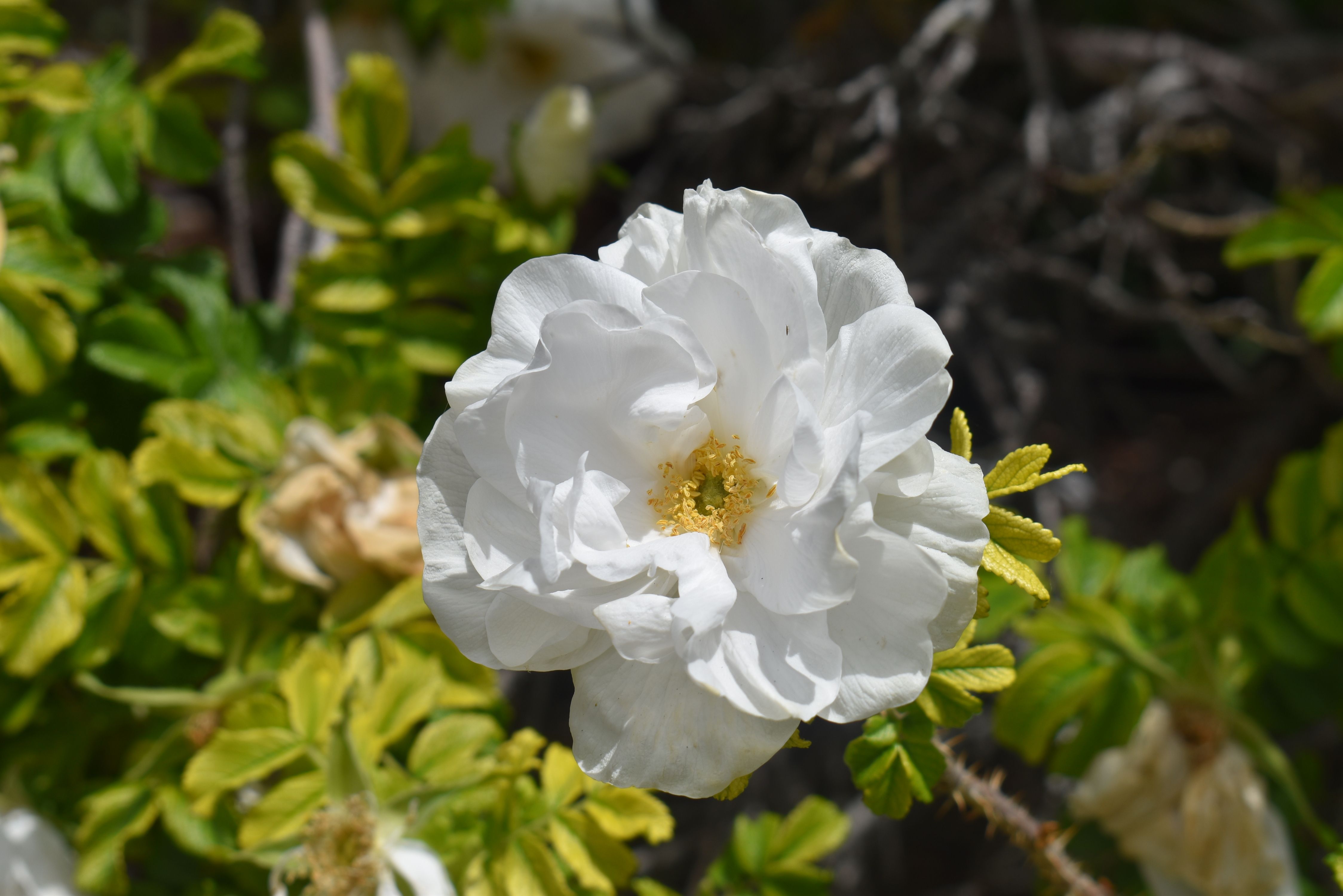
Blanc Double de Coubert Rose
Rosa 'Blanc Double de Coubert'
Plant Details:
Plant Type: Shrub
Plant Family: Rosaceae
Plant Description: This beautiful, fragrant rose is a long-blooming, disease resistant option that thrives in full sun and has some shade tolerance. Attractive deep green foliage provides a nice contrast to the large, beautiful, semi-double pure white flowers. This plant prefers moderately moist, loamy soil with regular, deep watering’s. If cared for properly, it can continue blooming all summer long and up until the first frost.
Maintenance:
Maintenance Type: Shrub - Renewal
Plant Care: Shrub - Renewal (woody multi-stemmed plants that lose their leaves every winter and look best on younger stems, which emerge from the base of the plant): Prune regularly to promote health, provide air circulation, maintain a desirable shape, and to remove dead or damaged branches. Pruning is best done in late winter to early spring for most shrubs. With spring blooming shrubs, prune after the blooms are spent. When pruning, remove 1/3rd of the oldest branches by cutting at the base of the shrub. Monitor for pests, diseases or other ailments on a regular basis.
Plant Attributes:
Mature Size: 4-7' tall x 3-5' wide
Utah Native: No
Nativar: No
Plant Select: Unknown
Pollinator Favorite: Yes
Localscapes: Foundation Plant, Perimeter Plant
Evergreen: No
Foliage Interest: No
Foliage Colors: Dark Green, Green
Bloom Colors: White
Bloom Seasons: Spring
Bloom Period: May - Oct
Erosion Control: Unknown
Ground Cover: No
Edible: Yes
Fire Wise: Yes
Growing Conditions:
Hardiness Zone: 4 to 9
Light Requirement: Full Sun (6+ hrs sun), Part Shade (4-6 hrs morning sun), Part Sun (4-6 hrs afternoon sun)
Irrigation Requirement:  Moderate (1/2" every 7-10 days)
Moderate (1/2" every 7-10 days)
Salt Tolerant: Unknown
Deer Tolerant: Yes
Garden Location:
-
Design Path
- Climate Control
Garden Staff Tips & Insights:
Edibility notes: Rose petals can be eaten fresh or candied, they can be infused in drinks, or added to salads for a nice pop of color. Rose hips are also edible raw, though the seeds should be avoided as they cause stomach upset. They are more frequently used in jams, jellies, and herbal teas.
-
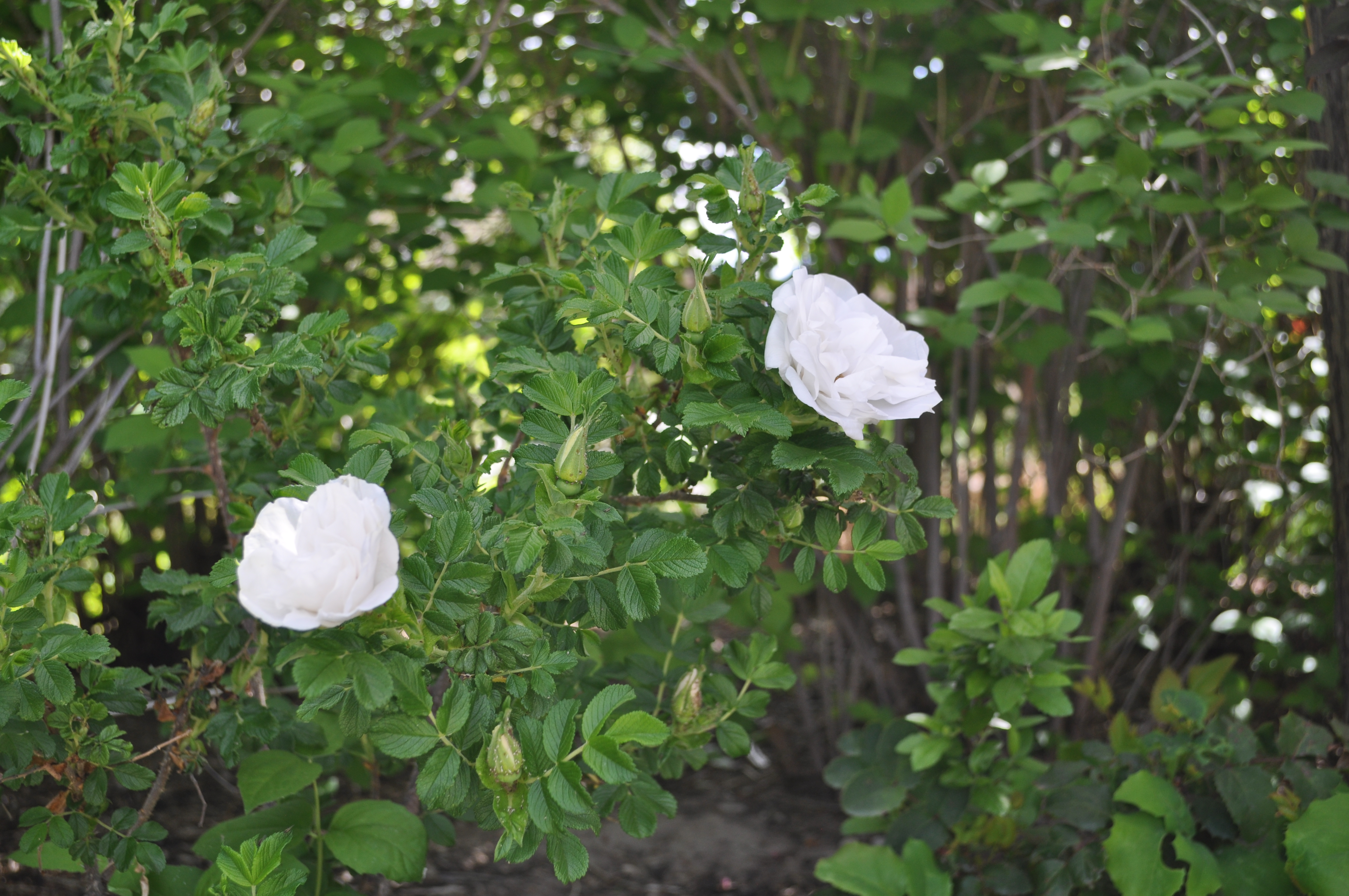 Spring
 -
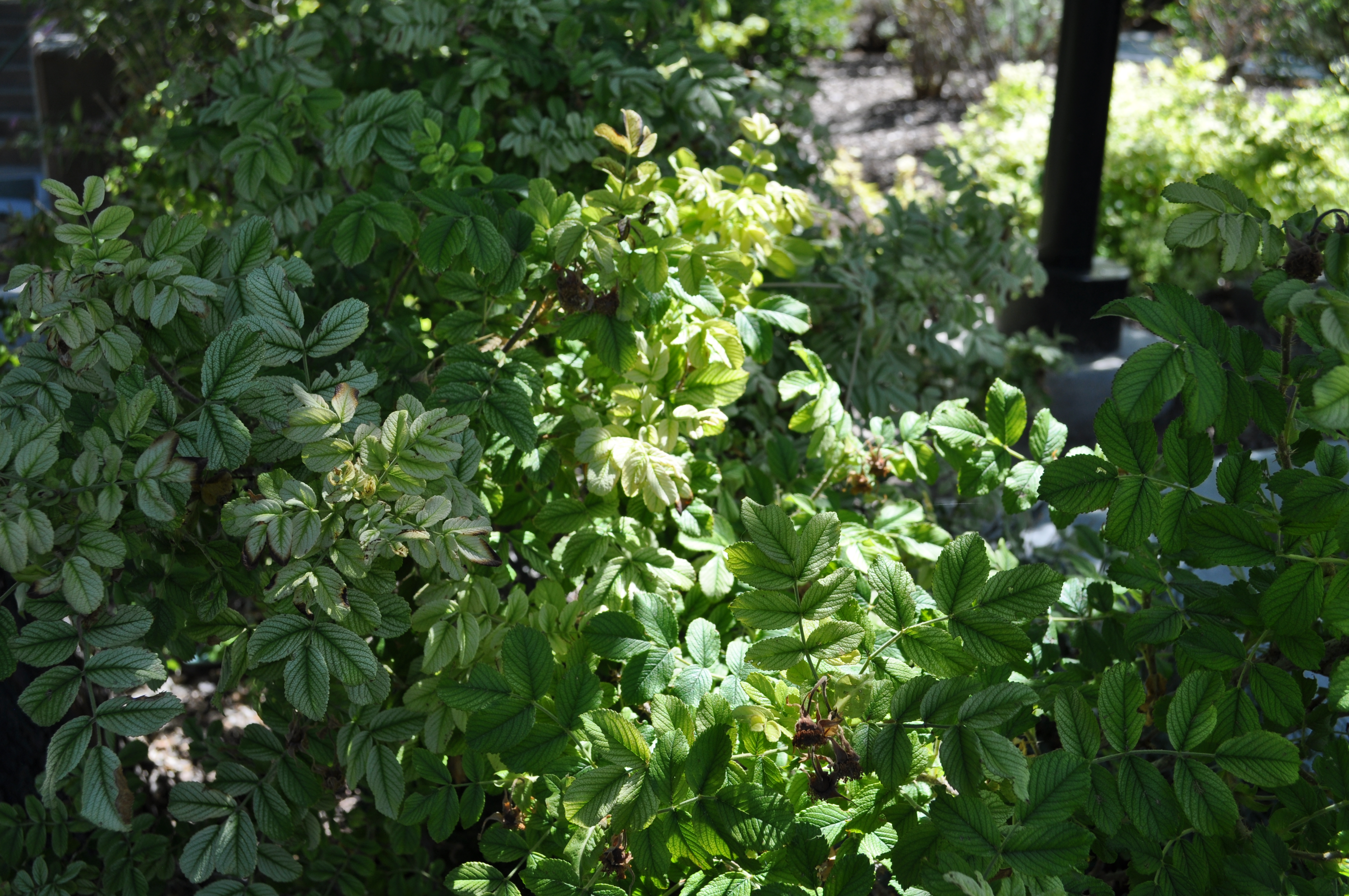 Summer
 -
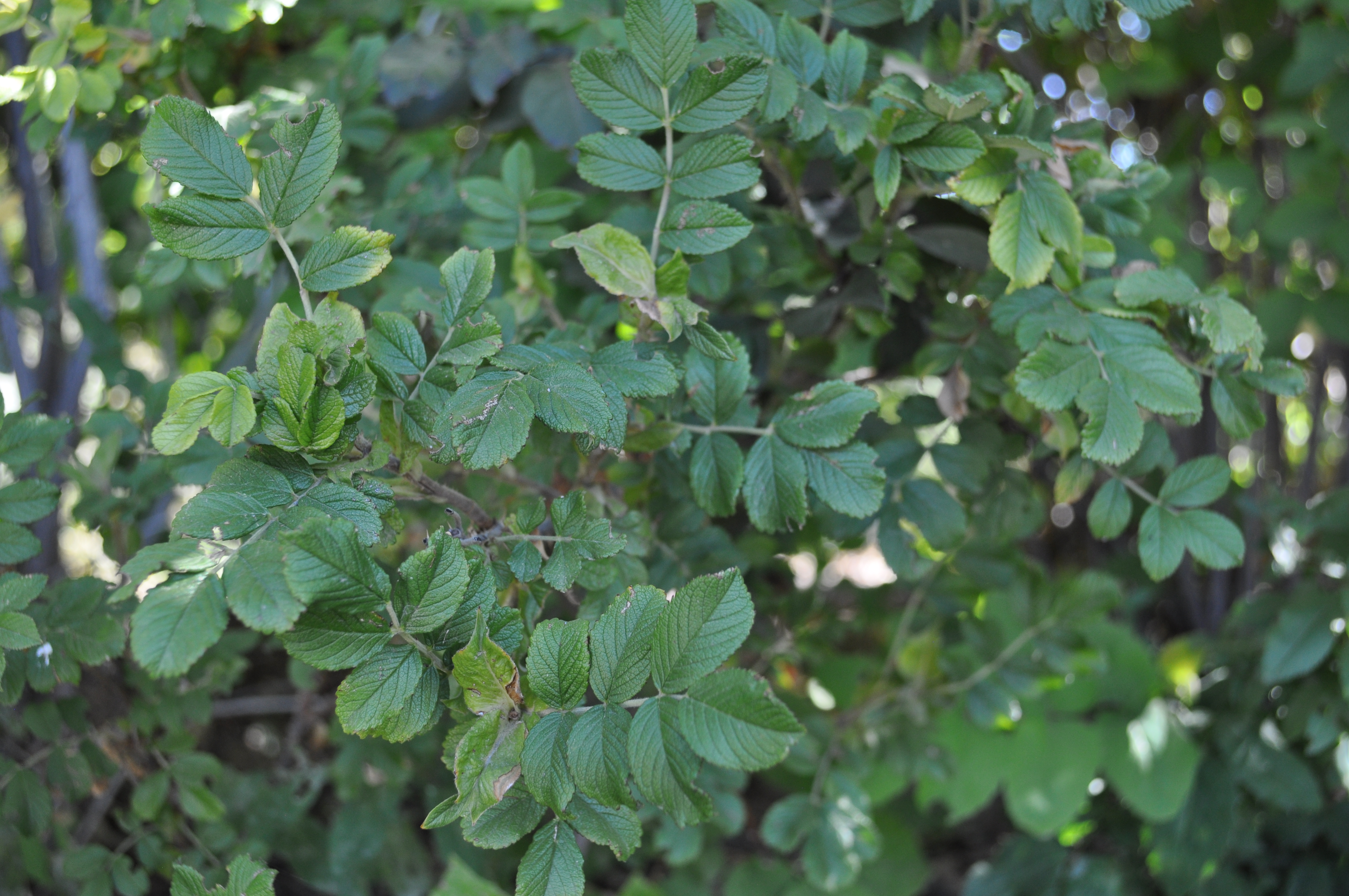 Fall
Fall -
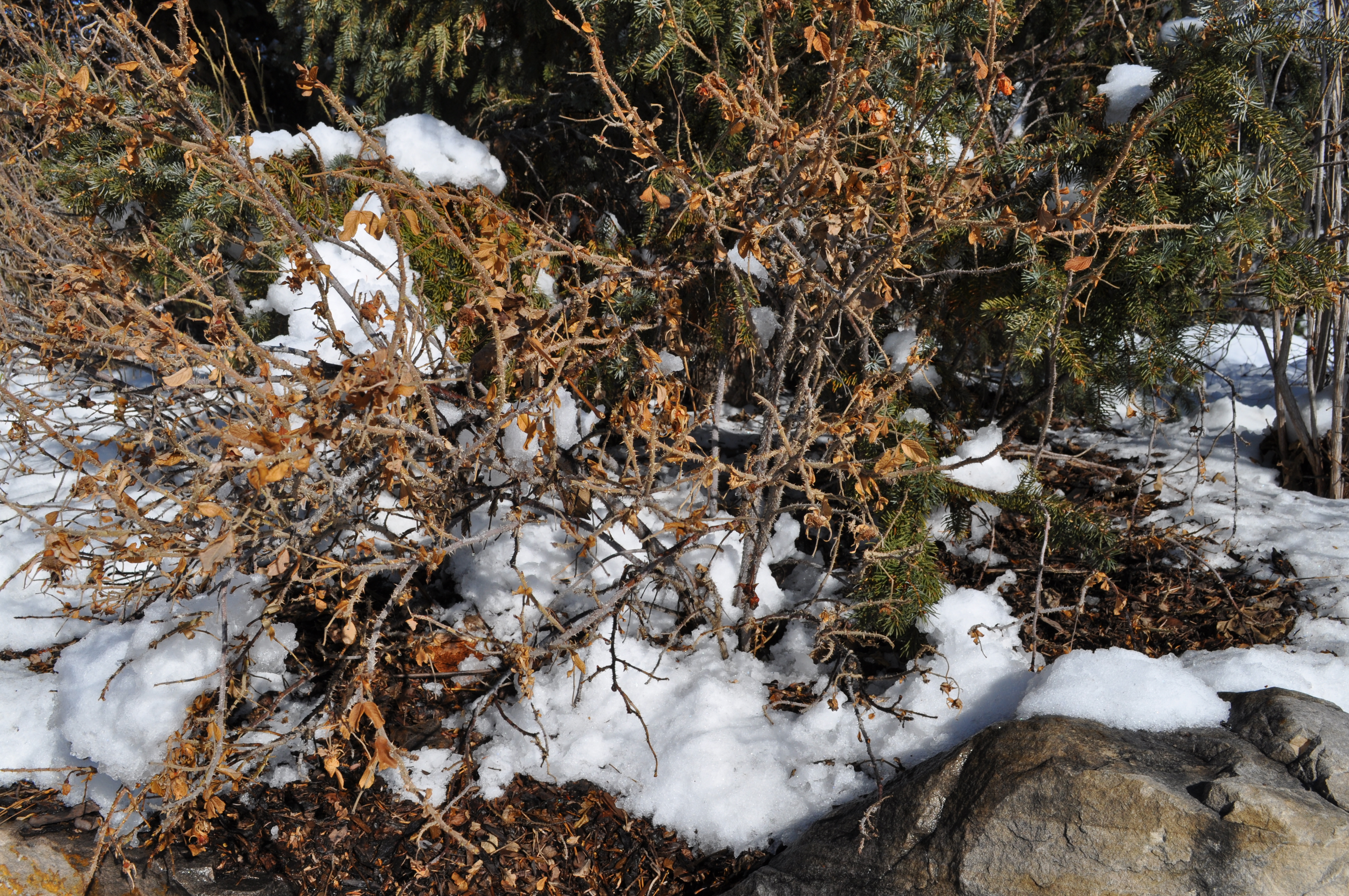 Winter