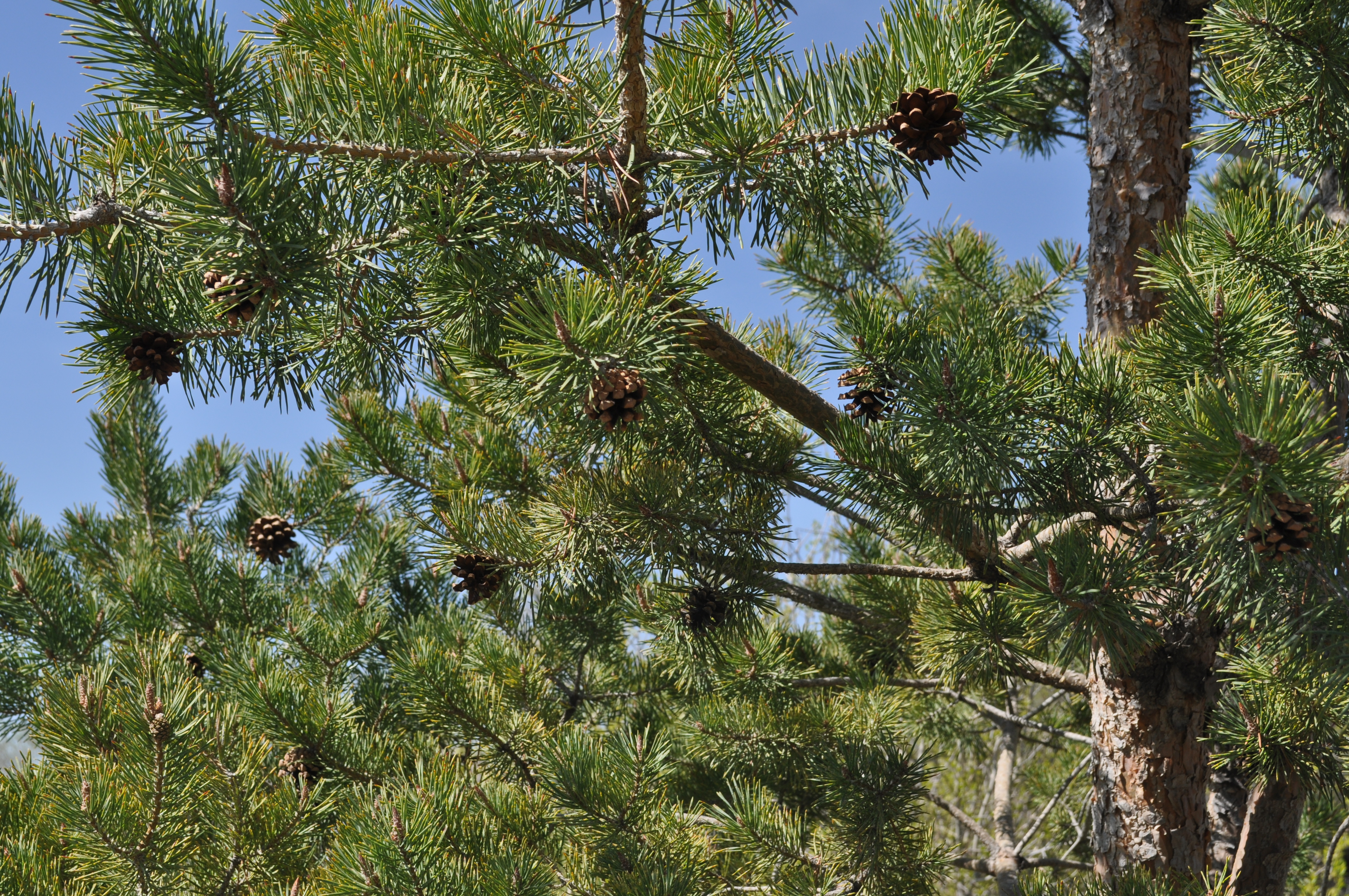
Scots Pine
Pinus sylvestris
Plant Details:
Plant Type: Evergreen Tree
Plant Family: Pinaceae
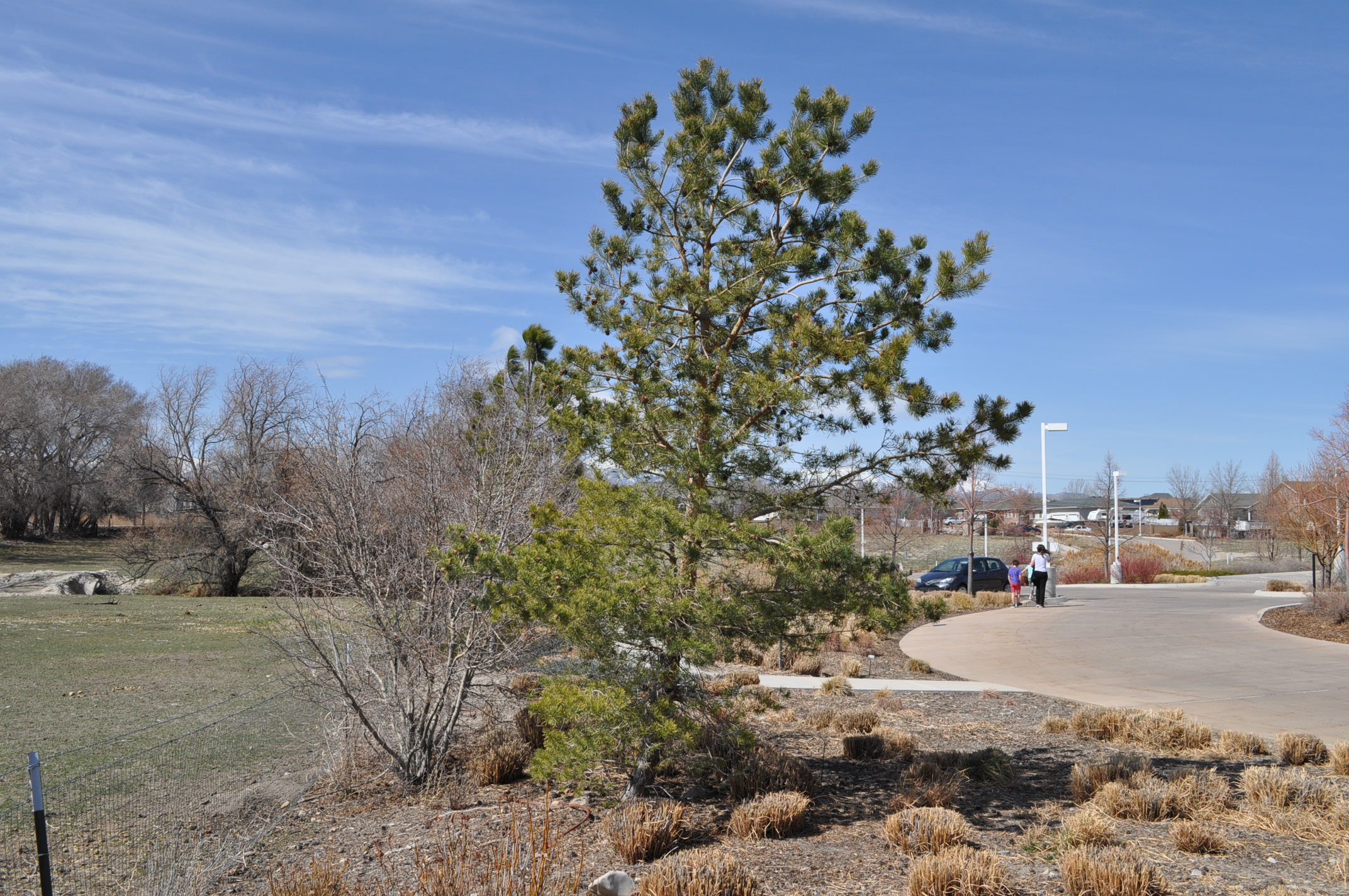
Plant Description: This large evergreen tree has a uniform pyramidal shape in youth but becomes more open and picturesque with maturity. Its cinnamon-red bark is ornamentally flaky. The needles of this pine are a green to grey-green and come in bundles of two and are shorter than many other pines. It will tolerate difficult soils and some drought but does best with moderate moisture.
Maintenance:
Maintenance Type: Tree - Evergreen
Plant Care: Tree - Evergreen (single-stemmed woody plants that keep their leaves during winter): Light pruning is required to maintain desired shape and to avoid branching problems such as double-leader stems. Evergreen trees can be difficult to establish. Adequate winter moisture is critical for the first 2-3 years until the roots establish. If there is a dry winter check the root ball with your finger for moisture before watering. Monitor for pests and diseases.
Plant Attributes:
Mature Size: 30-70' tall x 20-35' wide
Utah Native: No
Nativar: No
Plant Select: No
Pollinator Favorite: No
Localscapes: Tree, Perimeter Plant
Evergreen: Yes
Foliage Interest: No
Foliage Colors: Green
Erosion Control: Unknown
Ground Cover: No
Edible: Yes
Fire Wise: Unknown
Growing Conditions:
Hardiness Zone: 2 to 8
Light Requirement: Full Sun (6+ hrs sun)
Irrigation Requirement:  Low (1/2" every 10-14 days)
Salt Tolerant: Unknown
Deer Tolerant: Unknown
Garden Location:
-
Commercial Concepts
- South Property Line
Garden Staff Tips & Insights:
Edibility notes: Pine seeds are edible, though they tend to be quite small and difficult to collect. The bundles of new spring growth, sometimes called candles, are edible raw or cooked. They have a strong resinous flavor with a hint of citrus. Older needles can be steeped to make tea. The pollen can be collected and used as a seasoning or nutrient-rich flour additive. Young female cones can be cooked, pickled, or made into syrups or jams. The inner bark is edible and is used mostly as a survival food.
-
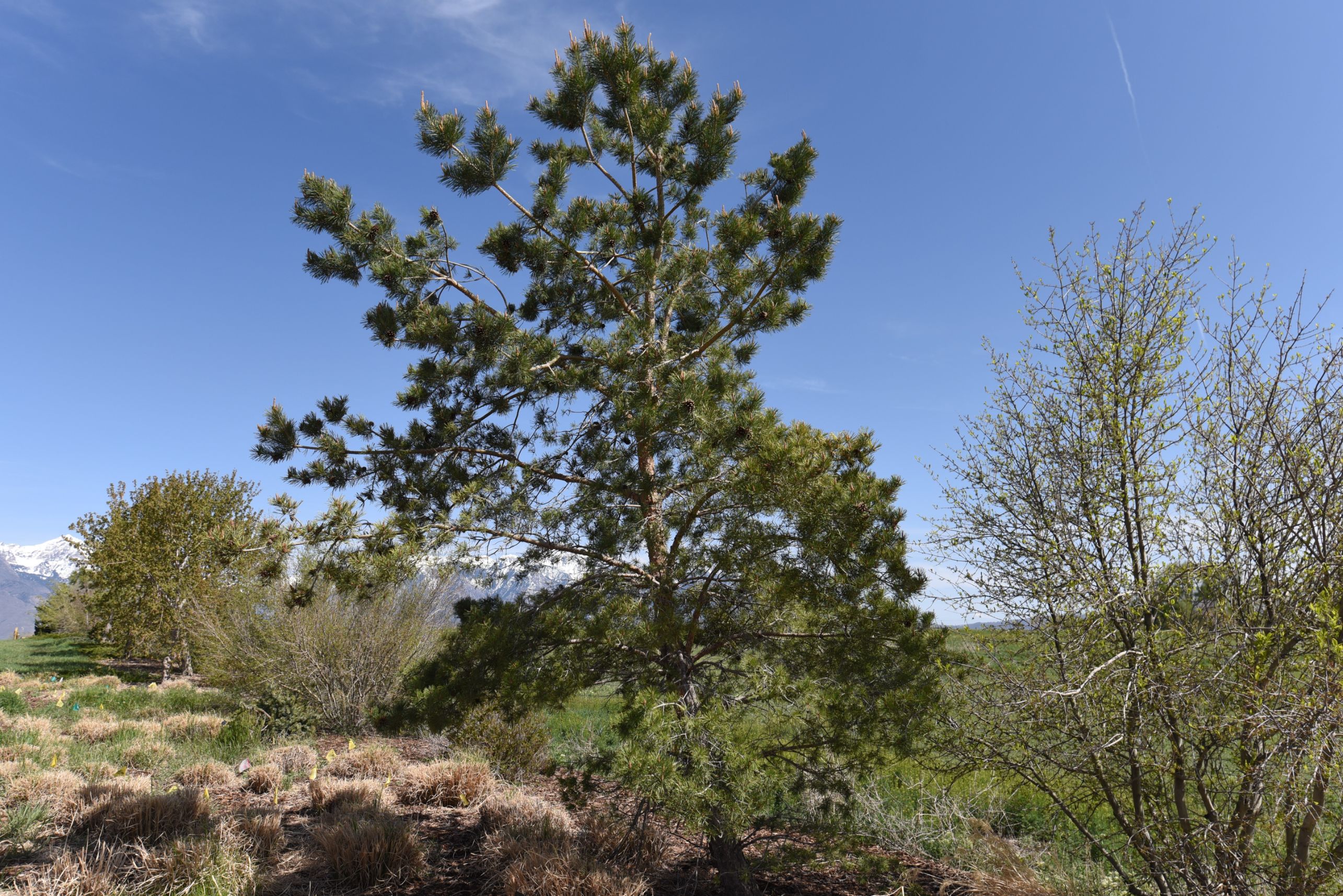 Spring
-
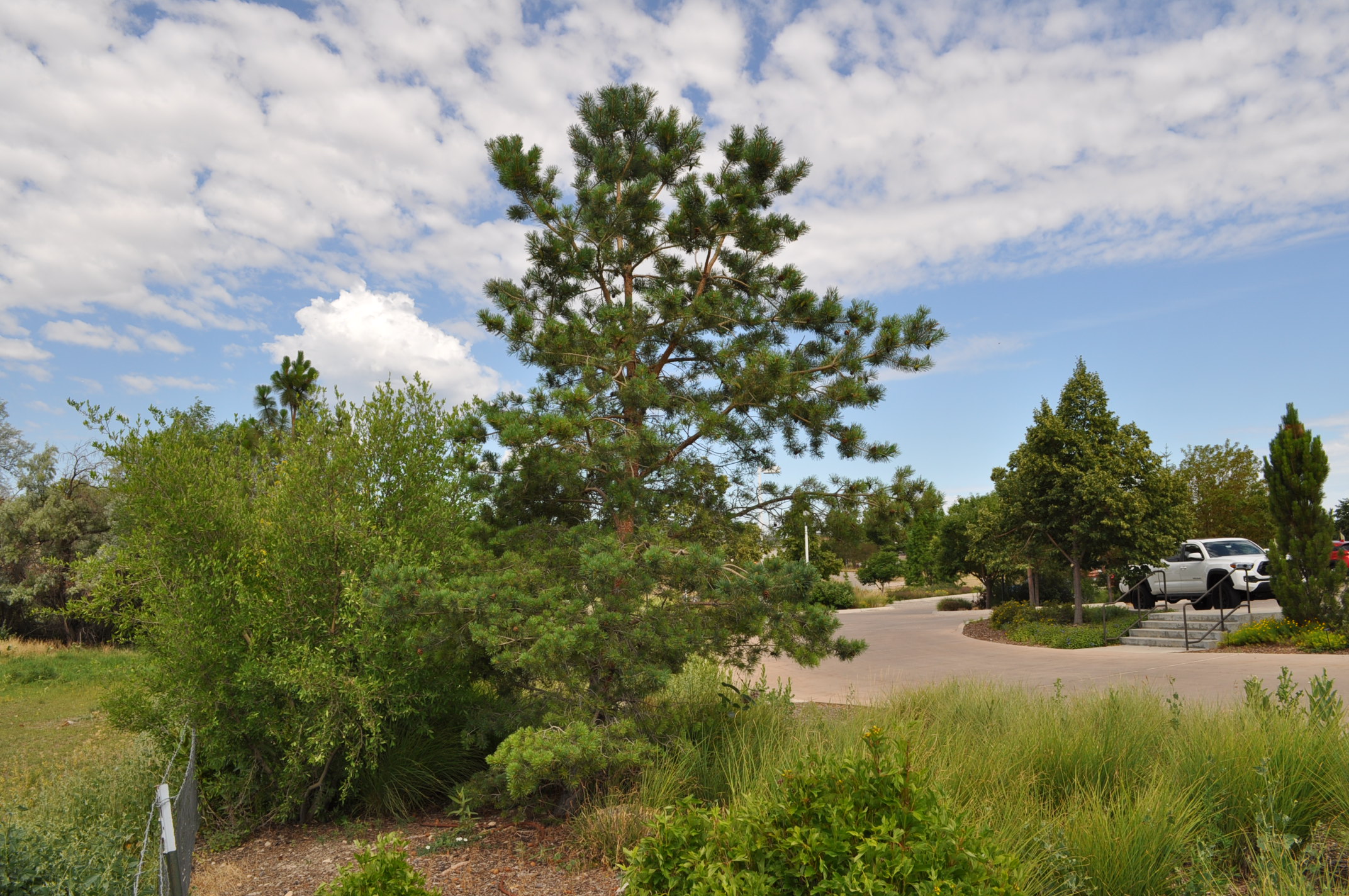 Summer
-
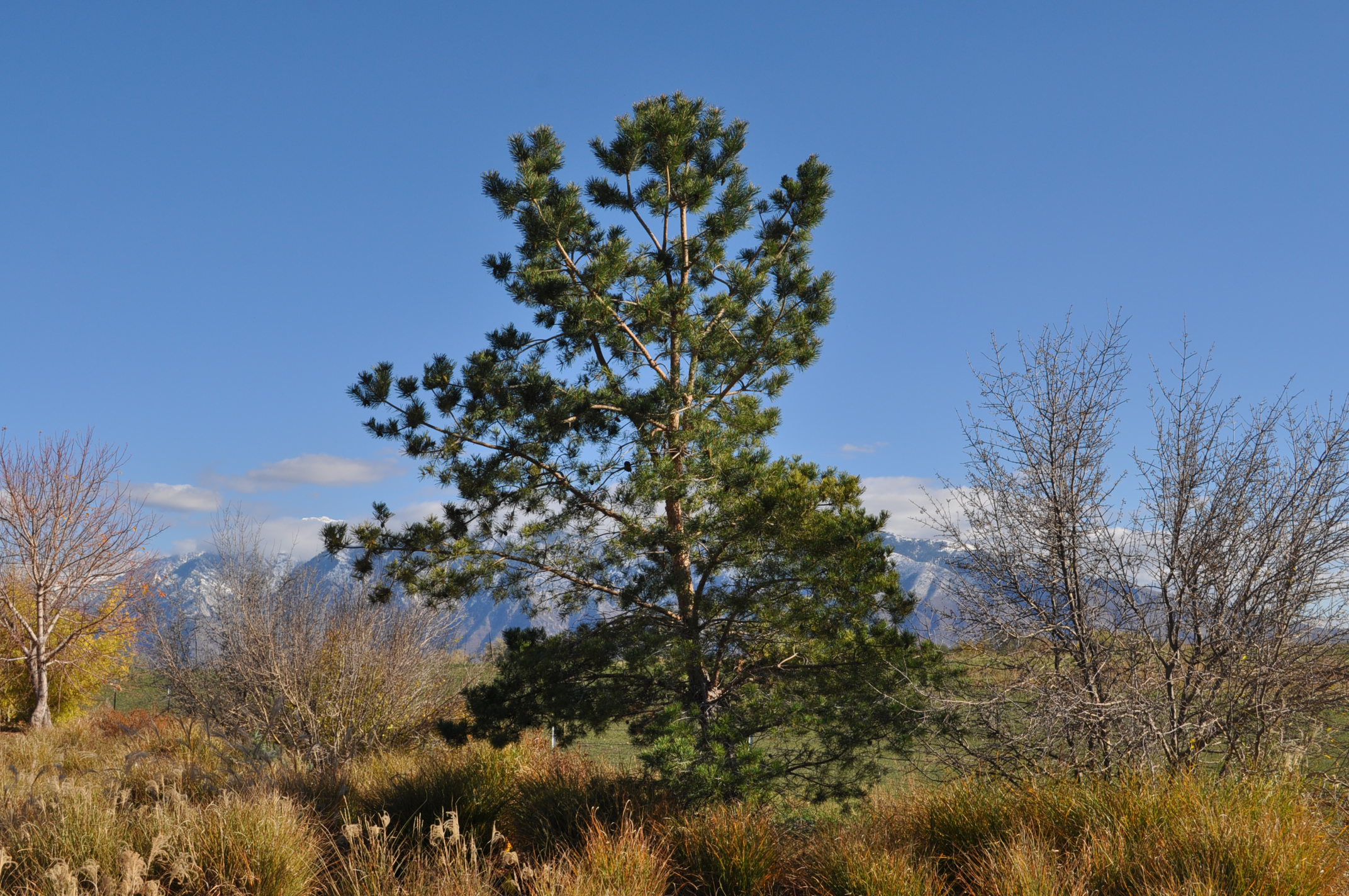 Fall
-
 Winter