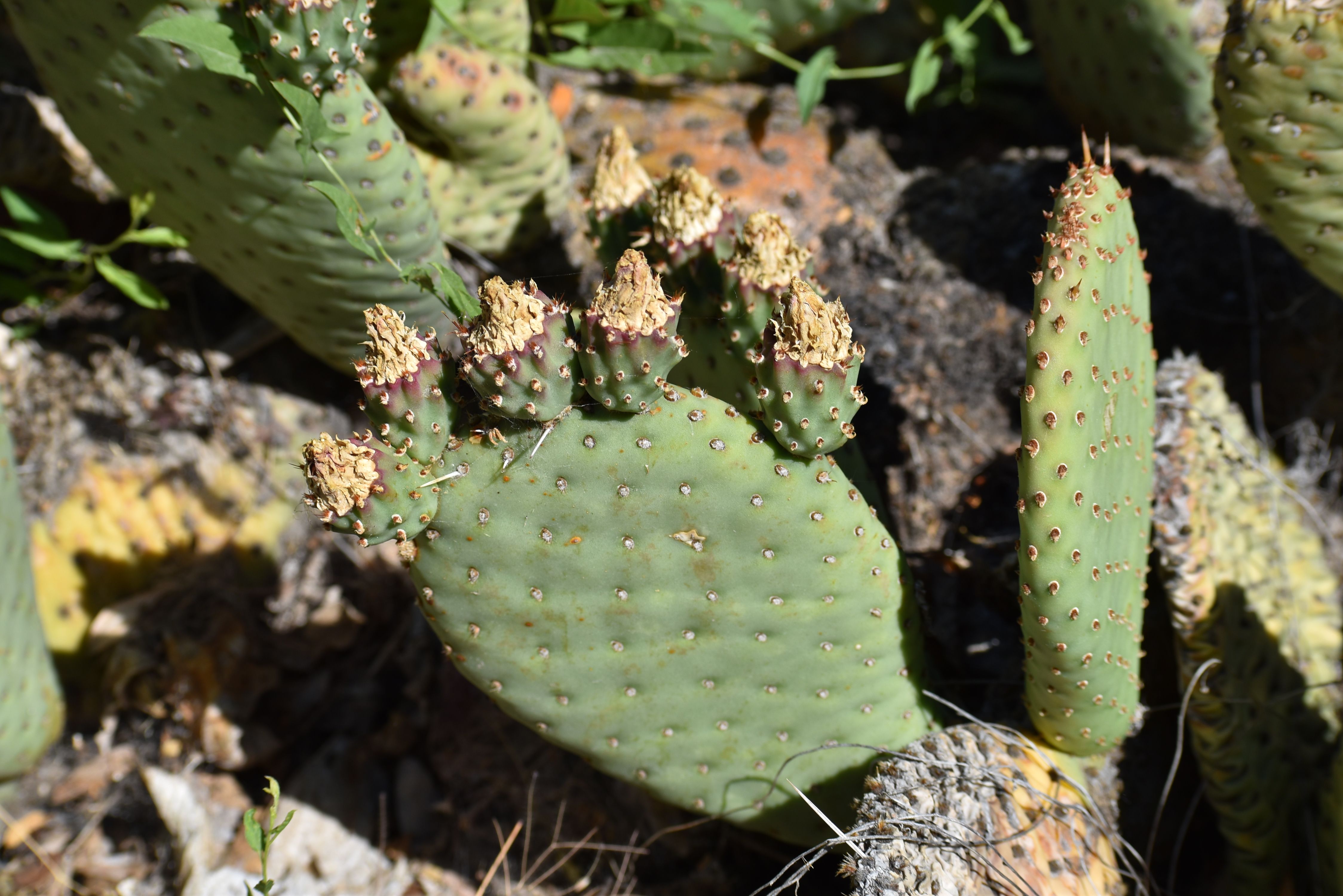
Beavertail Cactus
Opuntia basilaris
Plant Details:
Plant Type: Cactus or Succulent
Plant Family: Cactaceae
Plant Description: Bristly succulent with gray-green, fleshy, flattened pads. Small needles are tinted red. Bright pink flowers bloom in spring. Prefers light soils and and little water once established.
Maintenance:
Maintenance Type: Cactus
Plant Care: Cacti (succulent plants with spines instead of true leaves): Remove dead or damaged stems. Prune as necessary to retain a desirable shape. Avoid overwatering.
Plant Attributes:
Mature Size: 2' tall x 4' wide
Utah Native: Yes
Nativar: No
Plant Select: Unknown
Pollinator Favorite: Yes
Localscapes: Infill Plant
Evergreen: Yes
Foliage Interest: Yes
Foliage Colors: Green, Light Green
Bloom Colors: Pink
Bloom Seasons: Early Summer
Bloom Period: May - Jul
Erosion Control: No
Ground Cover: No
Edible: Yes
Fire Wise: Yes
Growing Conditions:
Hardiness Zone: 5 to 10
Light Requirement: Full Sun (6+ hrs sun)
Irrigation Requirement:  Very Low (Water to Establish)
Salt Tolerant: Unknown
Deer Tolerant: Yes
Garden Location:
-
Planting Path
- Nursery Shopping
Garden Staff Tips & Insights:
Edibility notes: Opuntia, also called prickly pear cacti, have edible fruits and pads, but both must be handled carefully, and the spines must be removed before consumption. One of the most common ways to remove the spines is with a blowtorch, but a vegetable peeler can also be used to remove the prickly skin. The fruits can be enjoyed raw or made into drinks, jams, and jellies. The pads, also called nopales, are commonly used in Mexican cuisine.
-
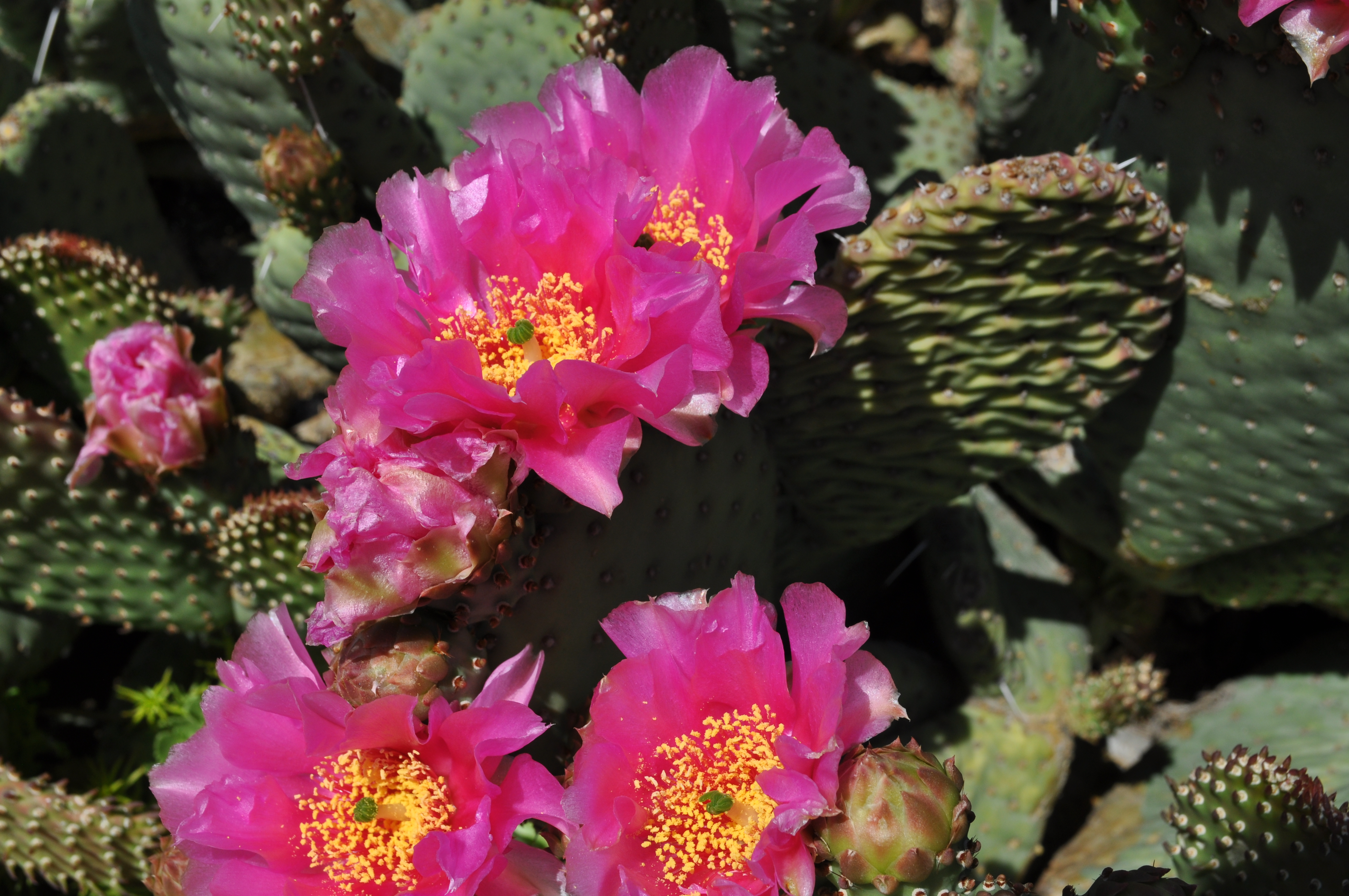 Spring
-
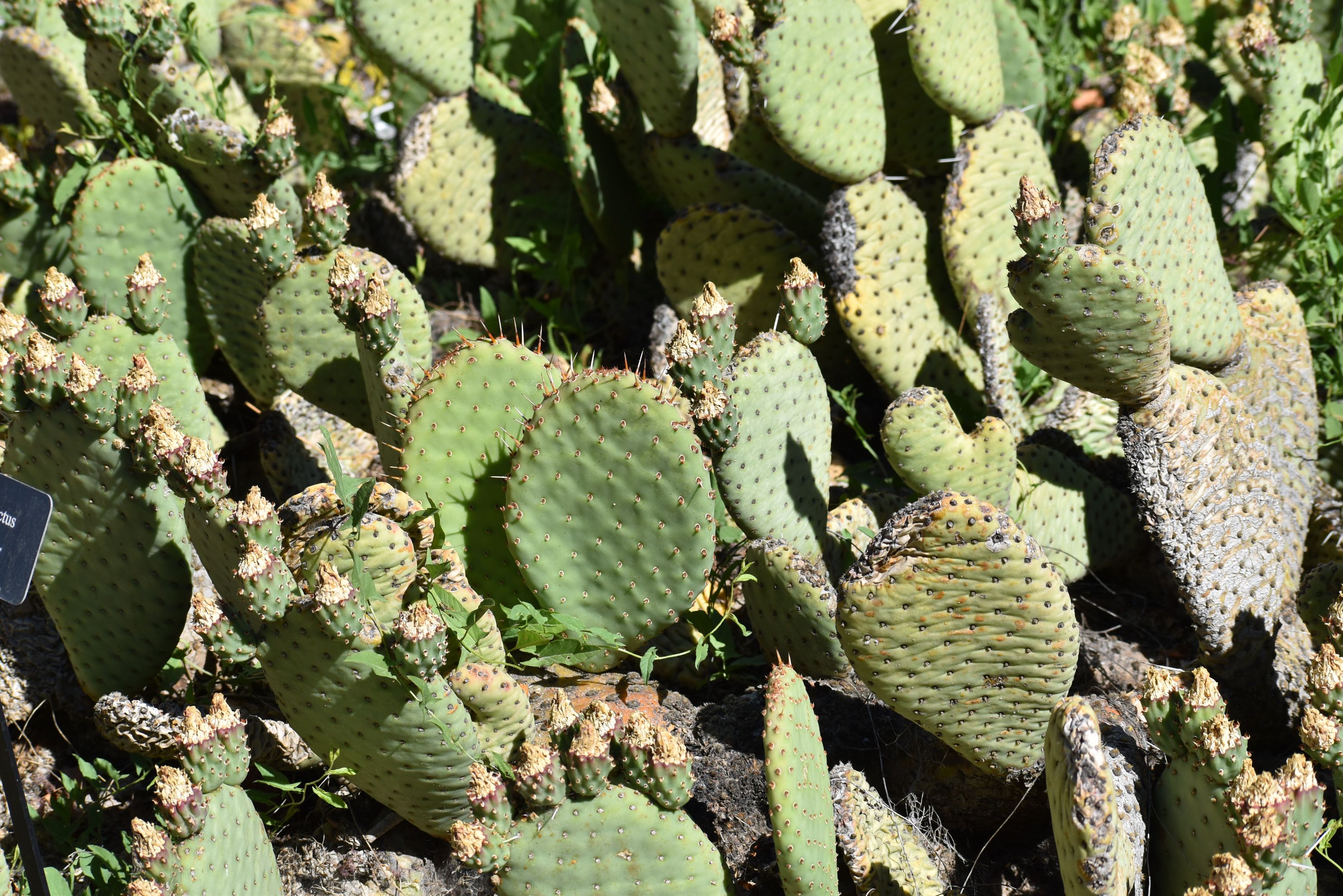 Summer
-
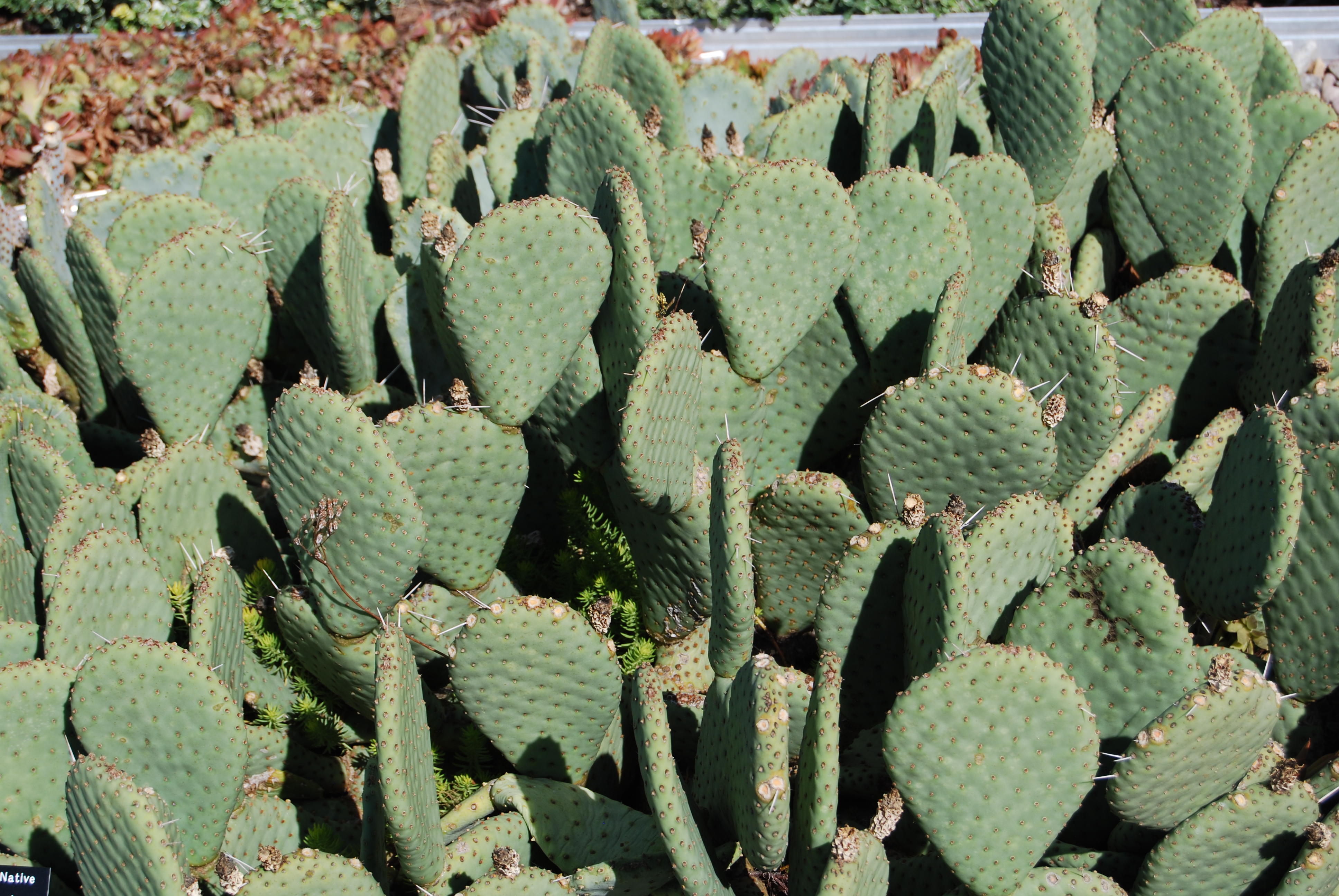 Fall
-
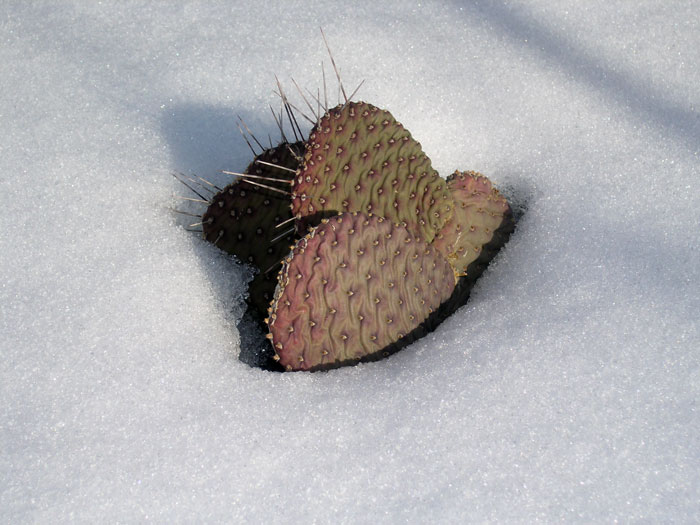 Winter